
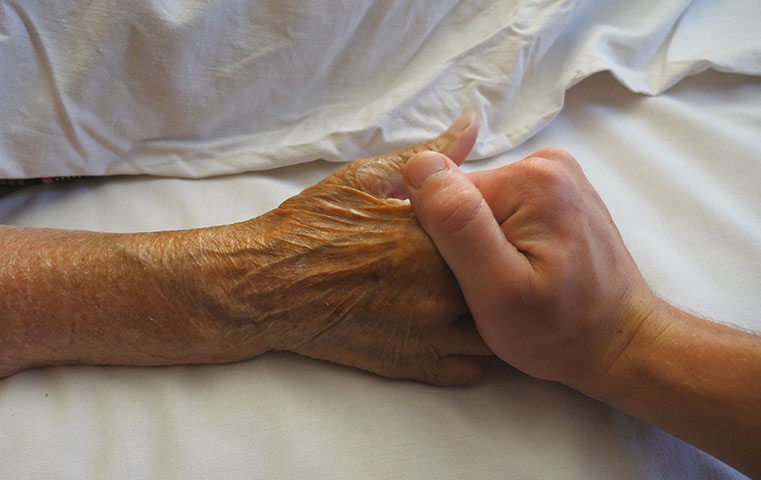
Ryan Holiday’s recent reflection (October 1, 2025, Daily Stoic Email) echoed the same truth from the Stoics. He described how Hadrian once saw Antoninus, unaware of being watched, gently helping his ailing father-in-law. It was a small act, but Hadrian recognized it as one of the highest virtues. The scene mirrors Rome’s founding myth, where Aeneas carried his father, Anchises, out of the burning city of Troy. That moment became a lasting symbol of devotion, carved into marble and memory.
Cultures across time remind us to honor our elders. The Hebrew Bible, the Christian New Testament, and Confucian Asia all call us to “rise in the presence of the aged.” Art and tradition tell the same story. From Monet’s late paintings to indigenous storytelling, we see how much is gained when the voices of elders are lifted up, not pushed aside.
And yet, in practice, we often fall short. Too easily, we infantilize older adults or step into the role of manager and protector. When we do, we miss their autonomy and overlook the lessons their final years can offer. As Mary Pipher says, to walk with our elders, to truly listen and share responsibility rather than seize it, is to enter “another country.” Walking alongside, not ahead or above, gives us a glimpse of how we ourselves might want to age: with agency, gratitude, and companionship.
Let us be present. Let us listen. Let us honor the dignity that remains even in frailty. Not only because it is the right thing to do, but because one day, we will need others to do the same for us.
Inquiry/Action
- What moments with elders in your life have taught you something surprising about dignity or wisdom?
- How have you been challenged, either emotionally or practically, when listening deeply to an older loved one?
- How might your own view of aging shift if you pictured your future self in their place?
- What small practice could you adopt this week to be more present to an elder’s voice?
Recommended Reading
Being Mortal: Medicine and What Matters in the End
Atul Gawande
Atul Gawande combines medical knowledge with human storytelling to examine how we confront aging and mortality. His work encourages us to focus on autonomy, dignity, and purpose rather than just survival. For those in later life stages, it offers both clarity and compassion, reminding us that how we live is just as important as how long we live

Another Country: Navigating the Emotional Terrain of Our Elders
Mary Phipher
Mary Pipher describes aging as “another country,” a landscape we enter when walking with our elders. She offers guidance on listening, honoring, and accompanying loved ones with empathy rather than control. For the third period of life, her wisdom helps us both support others with grace and imagine how we hope to be seen, valued, and cared for in our own later years.


Your reflections are thoughtful and weave the research in a way that inspires further action. You kindly provide options for action.
Glenn, thank you for following the blogs and for your kind comment. The goal of the blogs and the book is to invite exploration of how findings from science and philosophy can help us flourish in the final third in a way that inspires application