Resources
________________
With most blogs I write, I share books and resources that invite deeper reflection on the themes explored. While each recommendation connects to a specific topic, these works also stand on their own as guides for thoughtful exploration—offering wisdom and insight for anyone seeking greater clarity, meaning, and growth at any stage of life’s journey.
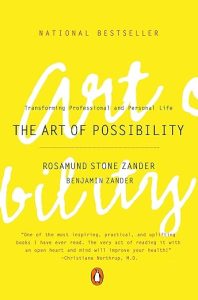
The Art of Possibility
Benjamin Zander and Rosamund Stone Zander
The Art of Possibility reminds us that life unfolds in a universe of possibility, not scarcity. By reframing the stories we tell ourselves, we create space for creativity, contribution, and joy, a lesson that is especially helpful in later life, when adopting an abundance mindset can transform the third period of life into a time of renewal, connection, and growth.

From Strength to Strength
Arthur C. Brooks
From Strength to Strength shows that fulfillment in later life doesn’t come from holding on to past achievements, but from embracing change, gaining wisdom, and strengthening relationships. Brooks provides a guide for redefining success by shifting from striving for more to discovering meaning, joy, purpose, and leaving a legacy in the years ahead.
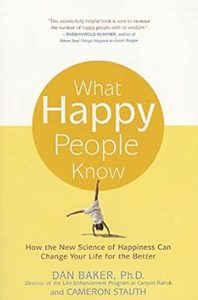
What Happy People Know
Dan Baker
What Happy People Know reminds us that happiness is not a matter of luck or the absence of hardship, but rather the result of conscious choices rooted in gratitude, optimism, and personal strength. Baker’s insights matter at every age, especially in later life, where choosing appreciation and love over fear can foster resilience, connection, and a more profound sense of joy.
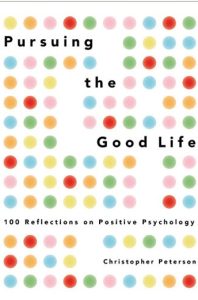
Pursuing the Good Life
Christopher Peterson
Pursuing the Good Life reveals that happiness isn’t about avoiding hardship or chasing pleasure, but about cultivating character, nurturing relationships, and practicing gratitude daily. Peterson’s insights remind us that aging well is more about small daily choices of kindness, humor, and connection that create a meaningful life.
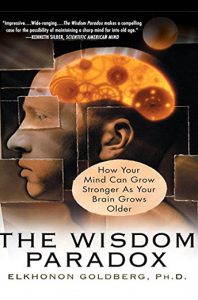
The Wisdom Paradox
Elkhonon Goldberg
The Wisdom Paradox reveals that while some abilities naturally decline with age, our brains also develop new strengths in judgment, intuition, and meaning-making: key components of wisdom. Goldberg’s research reinterprets aging as a time when accumulated experience gives a special advantage, reminding us that lifelong learning and engagement can turn later years into a period of mental growth and enrichment.

Aging Well
George Valliant
Aging Well demonstrates that thriving in later life relies less on avoiding hardship and more on nurturing relationships, developing healthy coping strategies, and maintaining joy and creativity. Vaillant’s landmark research confirms that love, empathy, and connection are the strongest predictors of happiness and health, making emotional bonds the true foundation of resilience in later years. The two most powerful predictors of aging well are strong social connections and a sense of purpose through generativity.

Authentic Happiness
Martin Seligman
Authentic Happiness redefines happiness as more than fleeting pleasure; it is a lasting state of well-being created by developing strengths, cultivating optimism, pursuing purpose, and fostering meaningful relationships. Seligman’s pioneering work in positive psychology provides practical tools that deepen over time, helping us boost resilience, fulfillment, and joy throughout the third stage of life.

Man’s Search for Meaning
Victor Frankl
Man’s Search for Meaning, rooted in Viktor Frankl’s experiences in Nazi concentration camps, demonstrates that even in the harshest conditions, we retain one fundamental freedom: to choose our response. His insights show that meaning, found through love, work, and how we endure suffering, can sustain us through every stage of life, providing dignity, purpose, and hope throughout the third period of life.

Wisdom @ Work
Chip Conley
Wisdom @ Work reframes aging in the workplace from obsolescence to opportunity, showing how older adults can thrive as “Modern Elders” by pairing experience and judgment with curiosity and adaptability. Conley’s message is clear: by embracing lifelong growth and intergenerational collaboration, later life becomes a season of renewed relevance, contribution, and meaning.

The Innovators
Walter Isaacson
The Innovators tells the story of how breakthroughs in technology were never the product of one person alone, but the accumulated, collaborative work of generations. Isaacson’s lesson for the third period of life is clear: wisdom, experience, and mentorship matter because innovation itself is always built on what came before. Later life offers us the chance to ensure that what we’ve learned continues to empower those who follow.

Life’s Great Question
Tom Rath
Life’s Great Question helps us shift from focusing on “What do I want from life?” to “What can I give?” Rath provides a practical framework and assessment for identifying the ways we contribute, reminding us that meaning in life is found in impact on others. His work is especially relevant to the third period of life, when contribution, legacy, and generativity become the truest measures of flourishing.
The Nicomachean Ethics
Aristotle
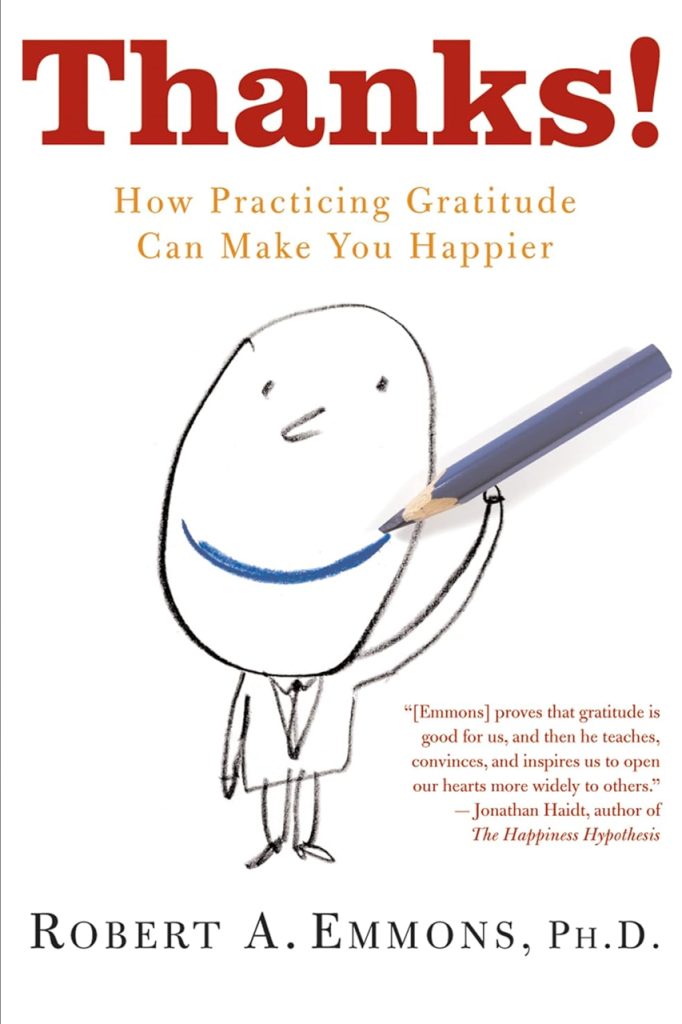
Thanks
Robert Emmons
Robert Emmons, one of the world’s leading researchers on gratitude, demonstrates how a simple daily practice can enhance our health, relationships, and sense of well-being. For older adults, gratitude offers both perspective and support, helping us recognize what endures, enjoy the present, and discover new strength and joy in the years ahead.
Being Mortal: Medicine and What Matters in the End
Atul Gawande
Atul Gawande combines medical knowledge with human storytelling to examine how we confront aging and mortality. His work encourages us to focus on autonomy, dignity, and purpose rather than just survival. For those in later life stages, it offers both clarity and compassion, reminding us that how we live is just as important as how long we live

Another Country: Navigating the Emotional Terrain of Our Elders
Mary Phipher
Mary Pipher describes aging as “another country,” a landscape we enter when walking with our elders. She offers guidance on listening, honoring, and accompanying loved ones with empathy rather than control. For the third period of life, her wisdom helps us both support others with grace and imagine how we hope to be seen, valued, and cared for in our own later years.

The Compassionate Instinct: The Science of Human Goodness
Dacher Keltner
Keltner’s research reveals that compassion and connection are not luxuries but biological imperatives. He shows that the human brain and body are wired for empathy and altruism, and that acting with compassion actually strengthens health and happiness. For those in the third period of life, his findings affirm that kindness and connection are not only sustaining but generative. Compassion deepens with age, offering older adults renewed purpose through mentoring, caregiving, and community involvement. The book reframes compassion as a lifelong strength, an instinct that nurtures well-being, legacy, and joy.

The Choice: Embrace the Possible
Edith Eger
In this memoir, psychologist and Holocaust survivor Edith Eger shares her story of suffering, survival, and healing. Her message is simple yet profound: while we cannot change the past, we can always choose how to live now. Through forgiveness and acceptance, she shows that joy is possible even after deep trauma. For readers in the third period of life, The Choice offers a moving reminder that freedom is an inner act. Eger’s work invites reflection, reconciliation, and release of regret. Her insights empower older adults to embrace life’s final chapters with courage, compassion, and hope.
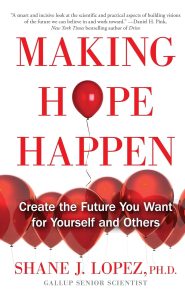
Making Hope Happen
Shane J. Lopez
In Making Hope Happen, Shane J. Lopez reveals that hope is not wishful thinking but a learnable, actionable process built on clear goals, adaptable pathways, and the belief that our efforts matter. His research and stories show how hope fuels resilience, purpose, and connection —especially vital in the third period of life, when adapting to change and envisioning new possibilities sustains wellbeing. Lopez reminds us that hope is both personal and shared: a renewable resource we can cultivate within ourselves and spark in others.

8 Ways to Hope: Charting a Path Through Uncertain Times
William R. Miller
In 8 Ways to Hope: Charting a Path Through Uncertain Times, psychologist William R. Miller explores the many forms hope can take: desire, trust, perseverance, meaning, and community, among them. Drawing from science, history, and story, he reveals that hope is not one emotion but a family of strengths that help us endure uncertainty, find purpose, and act with courage. For those in the third period of life, Miller’s framework offers both comfort and challenge: to adapt with grace, to persevere when paths narrow, and to remember that hope, at its core, is a choice, one that can still be shared, renewed, and lived every day.
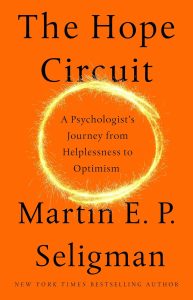
The Hope Circuit
Martin E.P. Seligman
Seligman traces the transformation of psychology from a focus on illness to a science of human flourishing. He introduces the hope circuit, a neural system in the medial prefrontal cortex that enables agency, optimism, and resilience, and shows how activating it can reverse patterns of helplessness. His later theory of prospection explains how imagining positive futures is central to human well-being and adaptive aging.
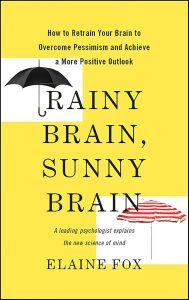
Rainy Brain, Sunny Brain
Elaine Fox
Fox explores how our brains balance threat and reward systems and how these can be consciously retrained. Her research indicates that optimism and resilience are not fixed traits, but instead learned habits that can reshape emotional circuitry. A valuable guide for those managing health challenges or supporting loved ones to find balance and possibility through change.
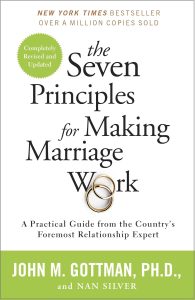
The Seven Principles for Making Marriage Work
John Gottman
Grounded in decades of research, Gottman’s work offers a clear and humane understanding of what sustains long-term relationships. Rather than focusing on the absence of conflict, he emphasizes emotional connection, shared meaning, and small, repeated acts of care. His insights affirm that thriving partnerships are built over time, not perfected.
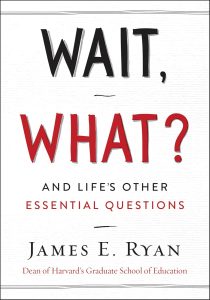
Wait, What?
James E. Ryan
In Wait, What?, James Ryan explores the power of asking better questions. While written broadly for life and leadership, the book is especially valuable for relationships. One question in particular stands out. How can I help? Asked with sincerity, it shifts attention away from control or assumption and toward attunement and service. Over time, this simple question deepens trust, strengthens partnership, and often opens the door to insight that analysis alone would miss.

Shop Class as Soulcraft
Matthew B. Crawford
Crawford shows how meaning migrates toward places where people must exercise judgment, responsibility, and care in relation to real things, engines that either run or do not, repairs that either hold or fail. He argues that true agency is forged not in limitless autonomy but in submitting to the concrete limits of craft, where shared standards and tangible consequences shape character. For elders, his repair bench offers a potent image of the atelier: a humble, demanding space where thinking and doing stay welded together and where younger people can literally see what human competence, patience, and integrity look like in action.

On Becoming an Artist
Ellen Langer
Langer invites readers to treat creativity as mindful noticing rather than rare talent, showing how simply paying fresh attention can free us from rigid rules, comparison, and mindless autopilot. She makes the case that “beginner’s mind” and authentic experimentation are available at any age and that creative engagement is less about perfection than about noticing, play, and ongoing reinvention. For elders as ateliers, her work underscores that the studio is not just where art is made; it is any space where an older person models curiosity, reframing, and the courage to keep learning in public.

Breath- The New Science of a Lost Art
James Nestor
Nestor explores a deceptively simple foundation of resilience: how we breathe. Drawing on physiology, history, and contemporary research, he shows how chronic shallow or mouth breathing contributes to stress, poor sleep, cardiovascular strain, and reduced adaptability, patterns that often intensify with age. Nestor demonstrates that slower, nasal, and gentler breathing, often practiced for just a few minutes, can calm the nervous system, improve oxygen efficiency, and restore balance across multiple systems. The book reinforces a central theme of this blog: that small, intentional pauses and breathing adjustments are not minor interventions but foundational practices that support steadiness, discernment, and healthspan in later life.

10% Happier
Dan Harris
Harris offers a pragmatic, human account of discovering mindfulness as a practical discipline for working with reactivity. His goal is modest by design: becoming “about 10% happier,” a bit less reactive, more emotionally steady, and better able to pause before responding. Harris emphasizes realistic entry points and micro mindfulness meditation practices that interrupt habitual reactions and create space for wiser choices. For readers in the third period of life who value evidence, humility, and applicability over self-improvement rhetoric, this book normalizes starting small and shows how consistent, modest mindfulness meditation practices can meaningfully shift how we meet stress, relationships, and complexity over time.
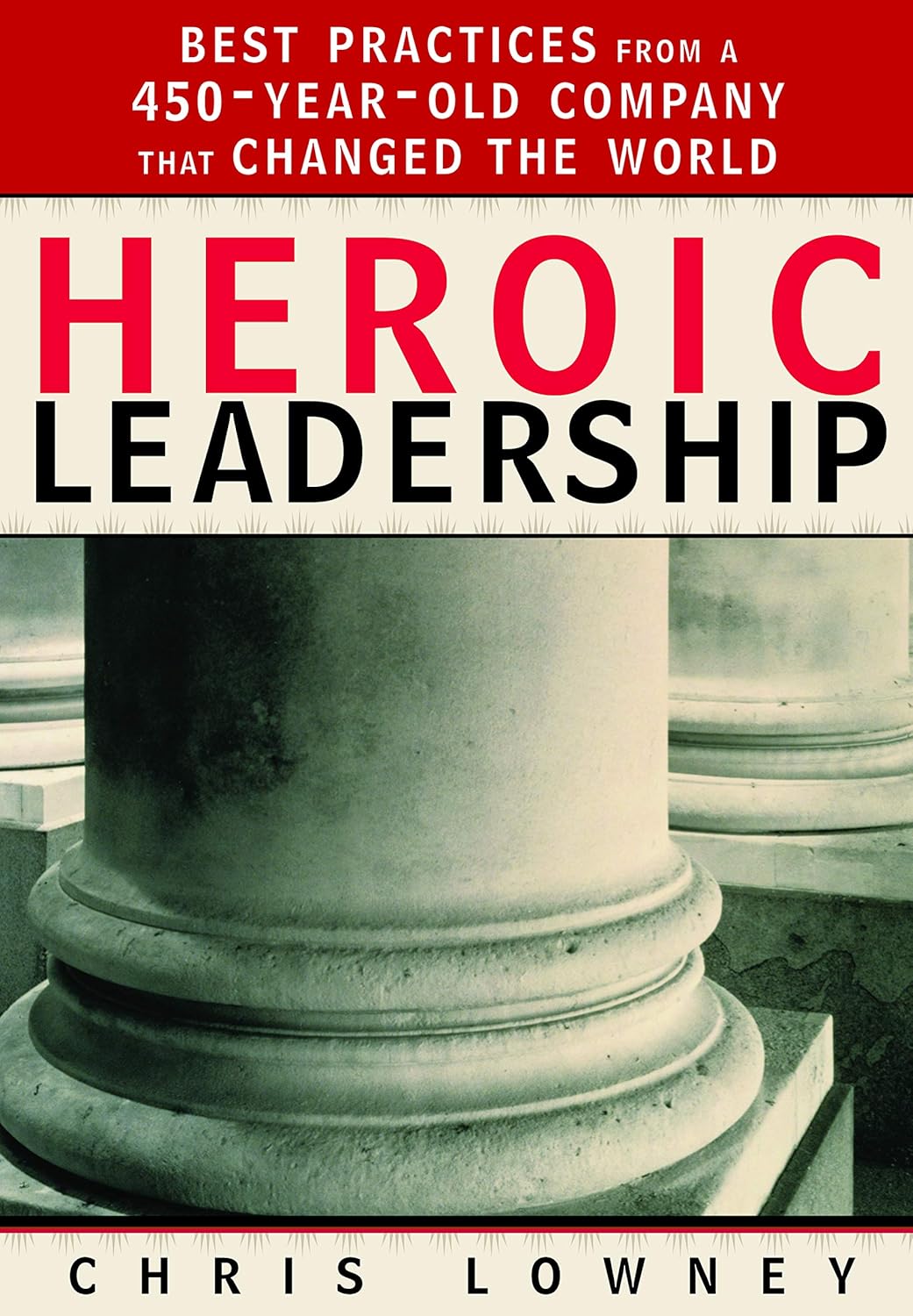
Heroic Leadership
Chris Lowney
In Heroic Leadership, former Jesuit seminarian and J.P. Morgan executive Chris Lowney distills 450 years of Jesuit practice into four leadership pillars: self‑awareness, ingenuity, love, and heroism. He defines love in explicitly leadership terms as wanting the good for others, recognizing their God‑given potential, and creating environments “with greater love than fear,” which parallels this blog’s argument that mature, long‑term leadership is essentially wisdom anchored in love.
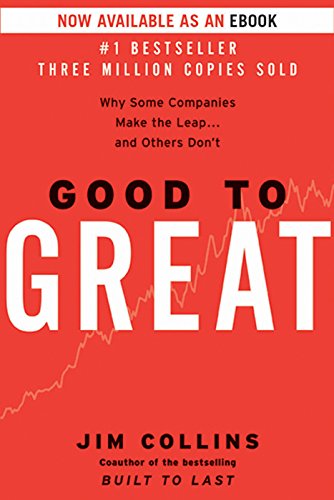
Good to Great
Jim Collins
In Good to Great, Jim Collins shows that companies that make the leap to sustained excellence are led by “Level 5” leaders who combine personal humility with fierce professional will and build cultures of discipline around self‑disciplined people, disciplined thought, and disciplined action. Their ambition is channeled into the long‑term flourishing of the organization and its people, offering an empirical blueprint for the same love‑shaped wisdom and ego quieting that this blog traces in parenting, eldercare, and faithful leadership

The Mindful Body: Thinking Our Way to Chronic Health
Ellen Langer
Ellen Langer’s The Mindful Body challenges the assumption that the mind is merely housed in the body, arguing instead that mind and body are one integrated system. Across decades of experiments, she shows that shifts in context, language, and expectations can produce measurable physiological changes from blood sugar and vision to pain and mobility. Her core claim is not that illness is “all in our head,” but that our bodies continuously take cues from how we frame experience, what we pay attention to, and the meanings we assign to it. Langer’s research provides empirical support for the idea that small, repeated shifts in attention and interpretation can support genuine rehabilitation in systems that have been running a long, uphill race

The Brain’s Way of Healing: Remarkable Discoveries and Recoveries from the Frontiers of Neuroplasticity
Norman Doidge
In The Brain’s Way of Healing, Norman Doidge shares clinical stories that bring neuroplasticity to life: people with chronic pain, movement disorders, traumatic brain injury, and other conditions who see significant improvement through carefully designed, repetitive practices. He explains how the brain and nervous system reorganize in response to experience, strengthening some pathways, pruning others, and sometimes rewiring around damage. Rather than offering miracle cures, the book highlights disciplined, often slow work: targeted movement, sound, light, attention training, and other methods that harness the brain’s capacity to change across the lifespan. If the nervous system can wire itself into chronic vigilance through repeated exposure to threat, it can also wire itself toward steadiness through repeated cues of regulation, rhythm, and connection.
Is it possible to flourish in the final third of life?
Too often, aging is framed only as decline—marked by limitations, losses, and endings. This book challenges that narrative.
Blending research in positive psychology, neuroscience, and well-being with practical tools and lived experience, Along the Road reframes the final third of life as a season of growth, meaning, and contribution. It offers frameworks for navigating life’s later chapters, exploring how mind, body, and soul can remain sources of vitality. It provides practical approaches to cultivating generativity, resilience, optimism, and wisdom—while crafting a lasting legacy and achieving a fulfilling end.
The book is both roadmap and companion: a guide for anyone entering—or already in—their mid to later years who longs not just to endure but to flourish.
“Live fully. Contribute wisely. Leave a legacy.”
Gordon Parry is an author, consultant, and coach dedicated to helping people flourish at every stage of life. A graduate of Penn’s Master of Applied Positive Psychology program and co-founder of Authentic Impact and The Hesly Center, he blends research and practice to unlock human potential. MORE ABOUT GORDON
Contact
GORDON PARRY
12306 Emmet Street
Omaha, NE 68164
Connect
Recent Posts
The Power of Place: Where Space Becomes Possible
Some places do more than shelter us. They change the quality of our attention, broaden what we can imagine, and make room for the next chapter of our lives to come into view. Research in environmental psychology suggests that physical environments shape not only how...
How I Came to Own a Barn 10 Hours From Home
I’ve had an unusual gift since birth: a companion who knows me so well that we rarely need full sentences when we work together. My identical twin brother, Glenn, arrived three minutes before me, and together we surprised parents who were expecting one baby, not two....
Stand
Rehabilitating an Overloaded Nervous System in the Third Period of Life During the recent Winter Olympics, I found myself watching the cross-country skiing finish line with greater interest than the medal ceremony. The athletes did not glide triumphantly across the...
Love: The Engine of Wisdom
Ryan Holiday’s Daily Stoic email on February 13, 2026, included this: “love … gives purpose to wisdom.” These five words articulate something I have noticed over several years in relationships, families, and organizations, and that was at the core of my own most...
STOP and REGROUP
A Practice that Builds Resilience, Relationships, and Performance In recent years, I frequently catch myself thinking, “I need to regroup.” Not push through, not shut down, but regroup. Over time, I realized this wasn’t just a throwaway line; it has proven an...
Elders as Ateliers
Somewhere right now, a mechanic is bent over an engine that either will run or will not. A painter stands before a canvas, revising a line that still does not look quite right. A parent is interacting with their adult child, helping them think through an important...
©Gordon H. Parry : All Rights Reserved 2025-26