
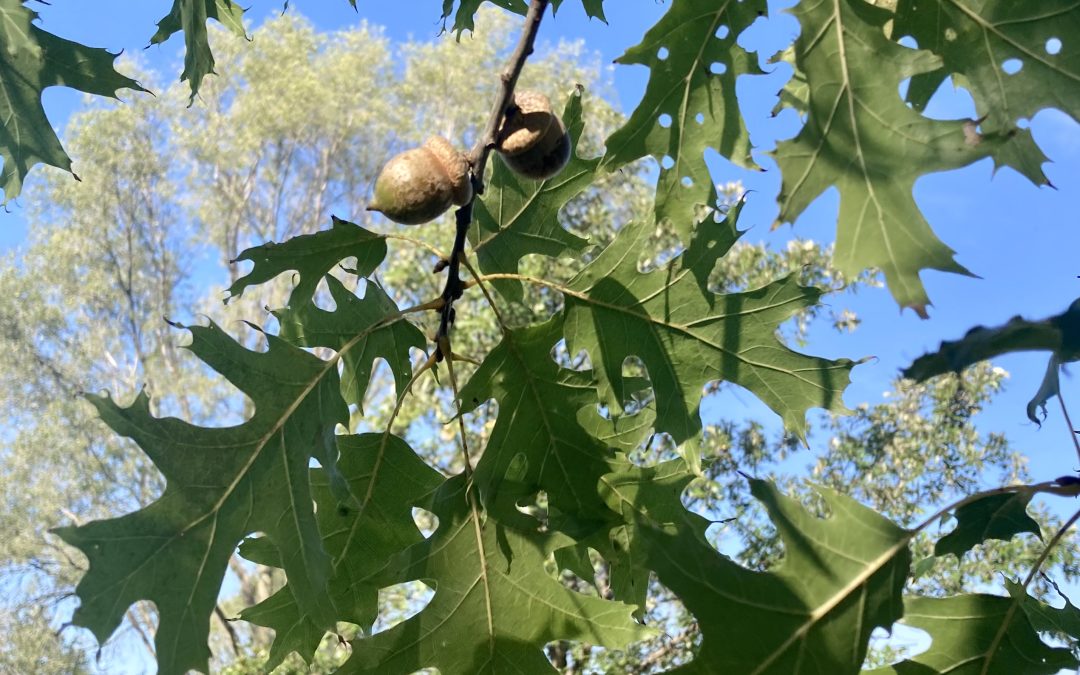
This past weekend, I tried out the advice of two voices in human flourishing, Arthur Brooks and Ellen Langer. Their message is simple but powerful: if we want to rediscover joy, counter negativity, and unlock our potential at any stage of life, we need to train our attention to notice and give thanks every day.
Noticing What Was Always There
On the first cool morning of a camping trip, I practiced Langer’s idea of “noticing three new things.” Almost immediately, my eyes opened to what I had missed. A deer at the treeline. A squirrel racing overhead. A blue jay flying in and out of the woods. None of it was new, but it had all gone unseen until I slowed down enough to notice.
Then I looked around more closely and realized a deeper symbol surrounded me. Acorns scattered on the ground. A canopy of oaks overhead. By chance, or providence, I had parked my RV right in the middle of a metaphor that has guided my work for years.
The Acorn and the Oak
Aristotle once wrote that within the acorn lies the potential for a mighty oak. That idea inspired the vision behind my consulting work nearly two decades ago and the core of the company I co-founded with Helen Kain, helping people and organizations realize the growth and flourishing that is already within them.
Now, as I think about the third period of life, the metaphor takes on new meaning. The acorn speaks to untapped potential. The oak represents maturity, wisdom, and lasting contribution. Both remind us that possibility is never lost. It is simply waiting for attention and care.
Shifting the Story of Aging
Arthur Brooks demonstrates how gratitude and focusing on legacy can boost happiness as we age. Ellen Langer’s research suggests that paying attention to new things can help combat decline and maintain physical and mental strength. Together, their work challenges the idea that later life is only about loss. In fact, it can be a period of renewal.
Like acorns underfoot, our potential often lies hidden until gratitude and attention bring it into view. Aging is not just about what we lose. It is also about what we finally notice, nurture, and share.
Inquiry / Action
- What might you notice in your surroundings, your relationships, or yourself if you slowed down today?
- What “acorns” of potential might be waiting to grow in this season of your life?
- How could gratitude, even in hard times, change the way you experience aging, purpose, or contribution?
Recommended Reading
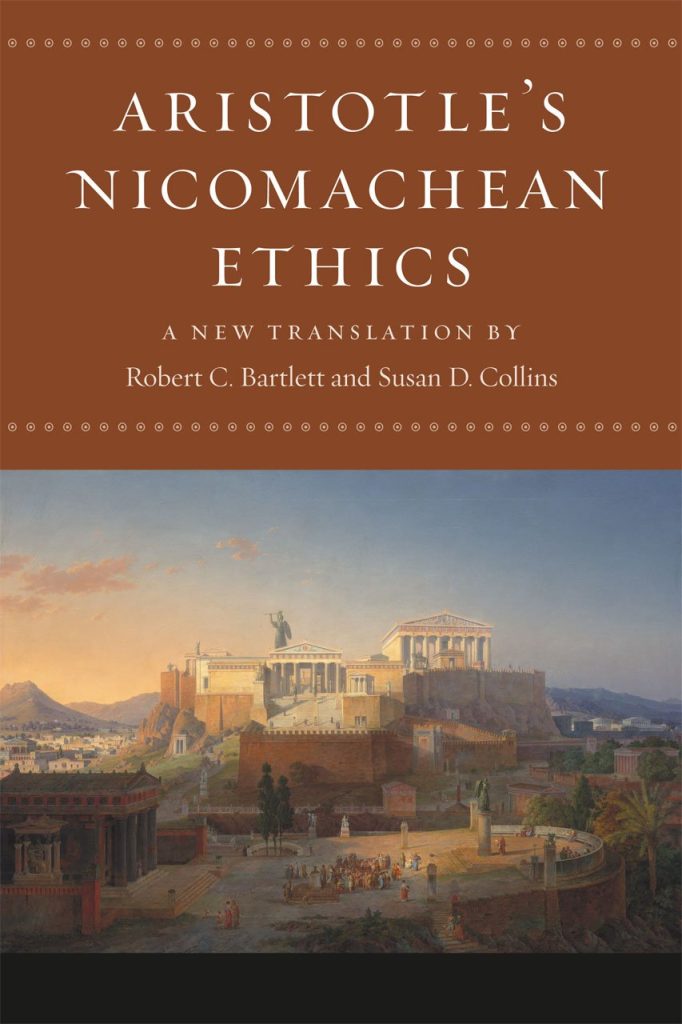
The Nicomachean Ethics
Aristotle
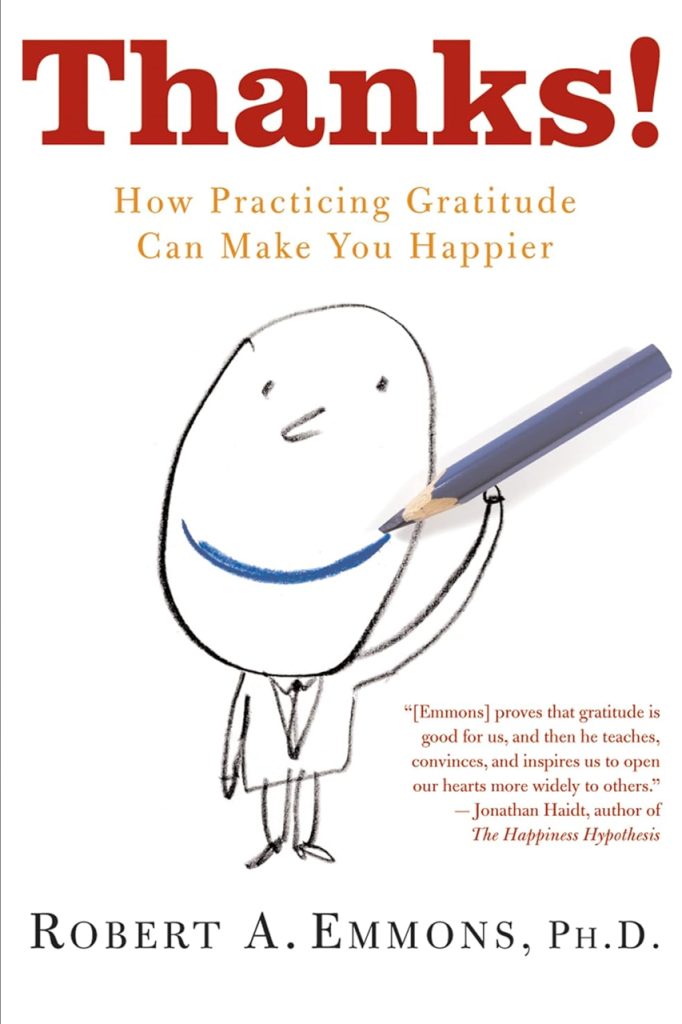
Thanks
Robert Emmons
Robert Emmons, one of the world’s leading researchers on gratitude, demonstrates how a simple daily practice can enhance our health, relationships, and sense of well-being. For older adults, gratitude offers both perspective and support, helping us recognize what endures, enjoy the present, and discover new strength and joy in the years ahead.
Closing Thought
Sometimes what matters most is already underfoot or overhead, waiting for us to notice. In life’s third period, our greatest gifts may be revealed the moment we choose to pay attention with gratitude.