Aging is not just a personal journey; it also reflects society’s values. How we treat our elders, how we discuss aging, and how we get ready for it reveal what we truly value.
I began to see this clearly as I walked with my parents into their 70s and 80s. I observed resilience and humor, the kind of wisdom that only time brings. I also noticed the gaps: systems that often fail to support older adults, society’s casual devaluation of contributions, and the tendency to make elders invisible. My experience isn’t unique. Research confirms this.
Resilience and Adaptation:
The MacArthur Foundation’s Successful Aging Project found that adaptability, social engagement, and positive framing have a strong influence on how we age, challenging the stereotype of inevitable decline.
Wisdom and Experience:
Research in Social Psychological and Personality Science shows that older adults often demonstrate wiser reasoning in social conflicts, drawing on perspective-taking and emotional regulation. Over time, our ability to consider multiple viewpoints can strengthen. Qualities that benefit families, workplaces, and communities.
Social Systems and Support Gaps:
At the same time, the World Health Organization and United Nations document apparent gaps in healthcare, housing, and social support for elders, which contribute to loneliness and invisibility.
Societal Narratives and Ageism:
Narratives matter. A 2018 meta-analysis reveals that exposure to positive aging stereotypes is linked to healthier behaviors and even increased longevity, whereas negative scripts of decline can harm both health and participation.
Intergenerational Wisdom:
Longitudinal studies have demonstrated that when communities prioritize intergenerational relationships through mentoring, storytelling, or volunteering, both older and younger members benefit. When elders are pushed aside, everyone suffers.
The question, then, is what story we want aging to tell about us. Will it be one of decline and disconnection? Or one of resilience, adaptation, and contribution? And how can we support those who are further along in the third period of life?
For me, this realization is both personal and professional. That’s why I write and invite others to join me; how we discuss aging, both individually and collectively, matters. The story we share will shape not only how we live but how we thrive.
Inquiry / Action
How do your words and actions reflect the story you want to tell about aging?
What would it look like to make older adults in your life more visible, more valued, more included?
What do you want your narrative on aging to be? What is the story people will tell?
Resources that invite deeper reflection on the themes explored in this post:
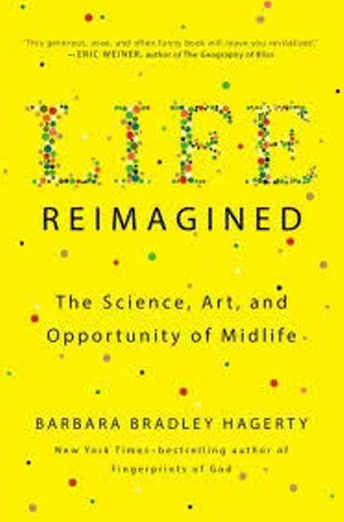
Life Reimagined
Barbara Bradley Hagerty
Life Reimagined dispels the myth of midlife decline, showing instead that these years are a unique opportunity for reinvention, purpose, and connection. Hagerty’s blend of science and story demonstrates that by choosing curiosity, cultivating relationships, and embracing growth, midlife can become a powerful springboard into a richer, more meaningful later life.
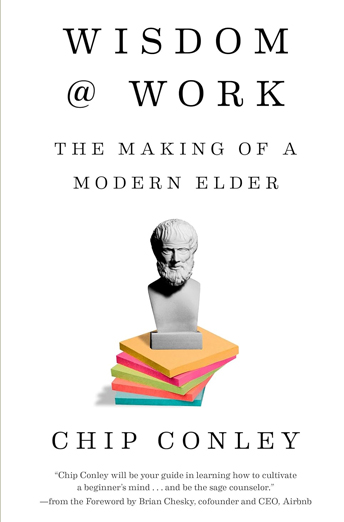
Wisdom @ Work
Chip Conley
Wisdom @ Work reframes aging in the workplace from obsolescence to opportunity, showing how older adults can thrive as “Modern Elders” by pairing experience and judgment with curiosity and adaptability. Conley’s message is clear: by embracing lifelong growth and intergenerational collaboration, later life becomes a season of renewed relevance, contribution, and meaning.
Works Cited
- MacArthur Foundation’s Successful Aging Project— Rowe & Kahn (1997). Factors like adaptability, social engagement, and positive outlook predict aging outcomes.
- Wisdom and aging research— Grossmann et al. (2010), Social Psychological and Personality Science: older adults more likely to use wise reasoning in social conflicts.
- Global policy gaps— WHO (2015), World Report on Ageing and Health; UN (2020), Decade of Healthy Ageing: need for stronger age-friendly systems.
- Meta-analysis on ageism— Chang et al. (2018), The Gerontologist: positive age beliefs linked to better health, reduced risk of dementia, and longer life.
- Intergenerational flourishing— Knight & Laidlaw (2009); generativity and intergenerational programs linked to improved well-being for both elders and youth.


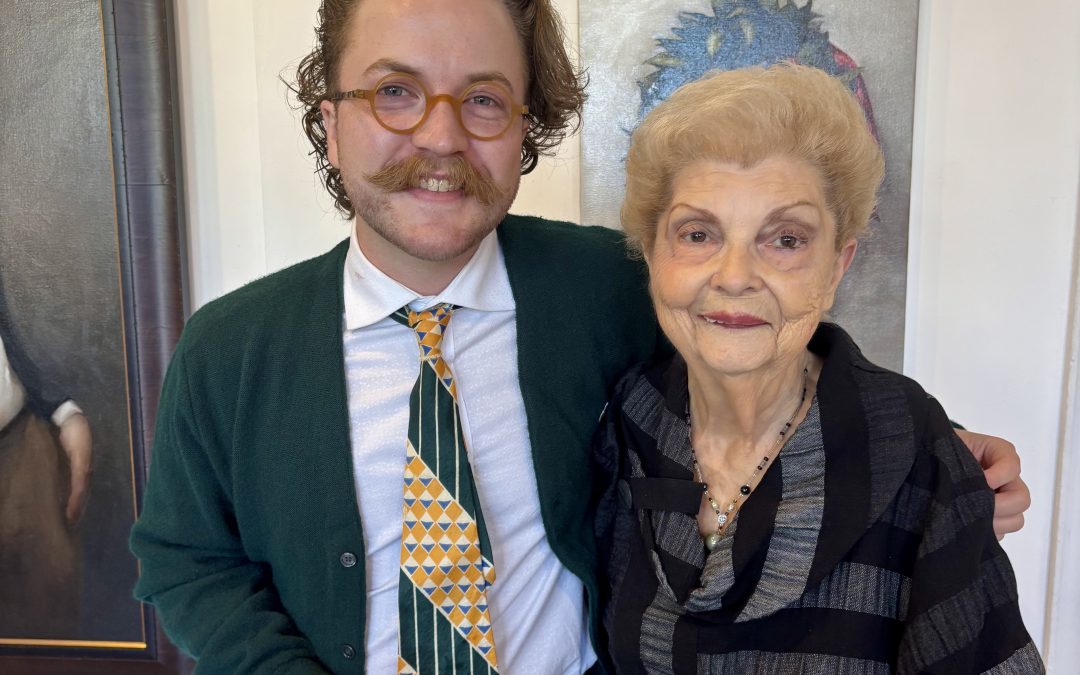
Such a great blog and the picture included is of a woman who is leading h the way for us as an example of how to age well.
Glenn, you are so right. Marsha Parry models the way with her generativity that spans generations.