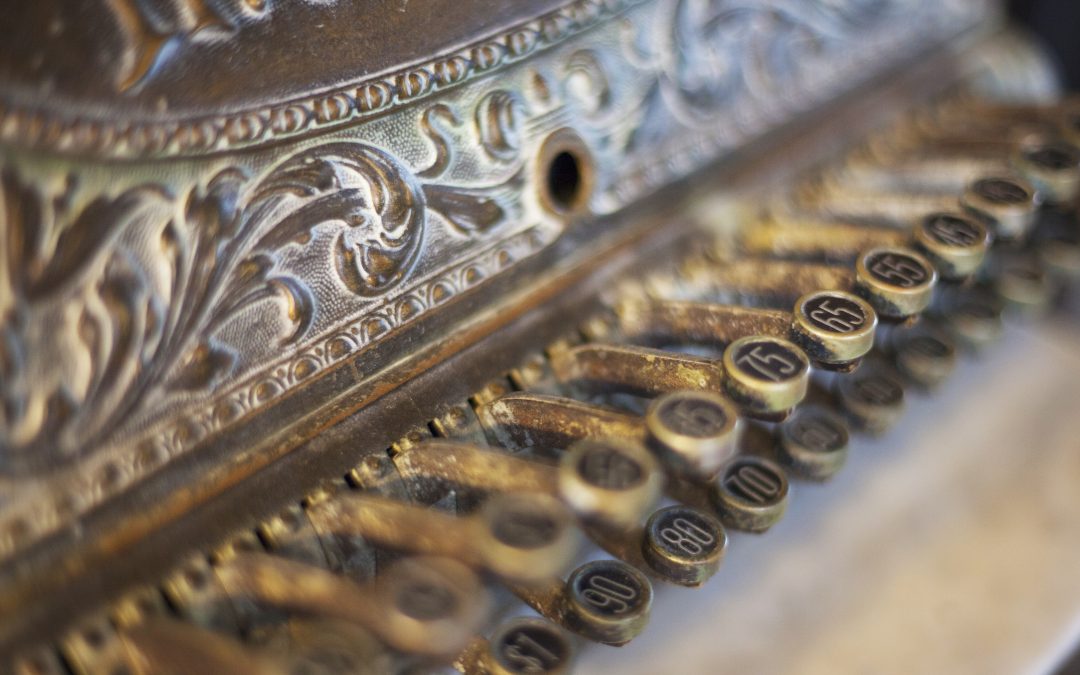
Today, I want to elaborate on the idea of patina by linking it to what science uncovers about the later stages of life. One reason we struggle to see aging clearly is the negativity bias. Humans tend to notice threats and losses more readily, and they remember them longer and with greater detail than opportunities and gains. When we think about aging, we tend to focus on what diminishes: health, speed, or memory, instead of what deepens and expands.
Research tells a richer, more nuanced story. Neuroscience shows that our brains stay adaptable throughout life, capable of forming new connections and learning at any age. Psychology reveals that qualities such as wisdom, perspective, and emotional regulation actually become stronger over time. And studies on resilience and post-traumatic growth reveal that older adults often carry a kind of confidence reservoir. Born of the hardships they have endured and the lessons they have learned, they thrive in ways younger generations can’t yet imagine.
This is the patina of the human spirit: the accumulated wisdom, perspective, and resilience that cannot be rushed or faked. It is what makes the later decades not just survivable, but deeply meaningful and potentially very powerful.
Even more encouraging is what positive psychology and aging research verify: older adults often report higher life satisfaction, greater contentment, and more profound gratitude than they did in earlier years. Many shift their focus from immediate achievement to legacy, through activities such as mentoring, storytelling, volunteering, and investing in the well-being of others. This drive, what Erik Erikson called generativity, isn’t just noble; it’s linked to better health and longer life.
When we view aging not as a loss but as an accumulation, we start to see it differently: as layers of resilience, creativity, and meaning built up over time. Like patina on weathered wood or stone, these qualities are not flaws; they are signs of enduring strength and beauty.
So perhaps the challenge before us is simple: to focus more on the gains, not just the losses. To celebrate the unique contributions of those in the later decades of life. And to recognize that our patina, slowly forming through every choice and challenge, is a gift worth honoring.
Inquiry / Takeaway
Pause and reflect:
- Where have you seen your own “confidence reservoir” in action — the strength that only emerges through challenge?
- How can you start to recognize and name the gains of this season as clearly as the losses?
- Who do you see as a positive example of thriving in the third period of life? In what ways does this inform how you think about your own third period of life?
Resources that that invite deeper reflection on the themes explored in this post:
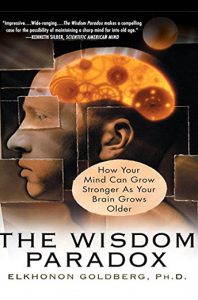
The Wisdom Paradox
Elkhonon Goldberg
The Wisdom Paradox reveals that while some abilities naturally decline with age, our brains also develop new strengths in judgment, intuition, and meaning-making: key components of wisdom. Goldberg’s research reinterprets aging as a time when accumulated experience gives a special advantage, reminding us that lifelong learning and engagement can turn later years into a period of mental growth and enrichment.
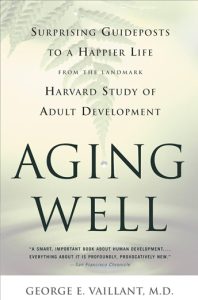
Aging Well
George Valliant
Aging Well demonstrates that thriving in later life relies less on avoiding hardship and more on nurturing relationships, developing healthy coping strategies, and maintaining joy and creativity. Vaillant’s landmark research confirms that love, empathy, and connection are the strongest predictors of happiness and health, making emotional bonds the true foundation of resilience in later years. The two most powerful predictors of aging well are strong social connections and a sense of purpose through generativity.