

I believe the later years of life are full of possibilities, growth, and meaning. Today, I want to share both a metaphor and a mindset that help me understand this more clearly.
I live on a property with a restored 100-year-old dairy barn. Its wood, stone foundation, iron hardware, and steel roof possess a richness that new construction can’t match. Visitors are often drawn to its character, with its deep colors, rich textures, and history etched into its walls. What they notice is patina: the beauty that comes only with age, time, and the effects of weathering.
I see aging in a similar way. Yes, our bodies change, but over the years, we gain perspective, resilience, wisdom, and confidence; qualities as striking and beautiful as the barn’s weathered beams. Like patina, these qualities can’t be faked or rushed. They come from the slow, layered accumulation of experiences, challenges, and triumphs throughout a lifetime.
Patina is just part of the story. Beyond seeing beauty in what time adds, we can also choose how we view our later years. Too often, the third stage of life — our mid-50s, 60s, and beyond — is only seen as a time of decline. Decline is real, yes, but it doesn’t tell the whole story. If we approach this stage with an abundance mindset, we start to see it not as a period of retreat but as a season full of possibilities. And just like my barn, we can invest in the structure and rethink its purpose, bringing new relevance.
An abundance mindset is crucial to overcoming the two main human fears: not having enough and not being enough. When people focus on their strengths, what’s working, and what’s possible, they thrive. Energy and creativity are released. Connections grow deeper. New contributions flow out.
The same is true for aging. An abundance perspective helps us view later life as a period of growth, not decline. For example:
- Appreciative Inquiry: Reflecting on peak moments and leveraging the strengths that led us there.
- Abundance Habits: Practicing gratitude, savoring moments, and celebrating connections to boost joy and resilience today.
- Legacy Reframed: Viewing legacy not as a conclusion, but as a continuous process of mentoring, storytelling, and community building.
- Generative Contribution: Engaging in cross-generational collaborations by sharing wisdom gained over time.
The research is clear: people with positive views of aging tend to live longer, healthier, and more fulfilling lives. Later life encourages us toward fulfillment and meaning, making it especially suited for mentorship, civic engagement, and creative contributions.
Patina reveals the beauty that develops over time. An abundance perspective uncovers the possibilities that come from focusing on our strengths. Together, they encourage us to view aging not as decline, but as a frontier —a stage of life where we can live fully, contribute wisely, and create a legacy inspired by the best of what we’ve learned.
Inquiry / Action
Reflect for a moment:
- What qualities in you showcase your patina, the beauty created by time and experience?
- How can you use an abundance mindset to focus on what is strong, possible, and meaningful in the years ahead?
- With the abilities you now possess that were not available to you in the first and second periods of your life, what investments in the structure do you want to make, and how might you rethink purpose and relevance?
Resources that that invite deeper reflection on the themes explored in this post:
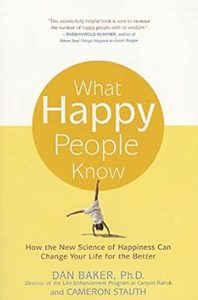
What Happy People Know
Dan Baker
What Happy People Know reminds us that happiness is not a matter of luck or the absence of hardship, but rather the result of conscious choices rooted in gratitude, optimism, and personal strength. Baker’s insights matter at every age, especially in later life, where choosing appreciation and love over fear can foster resilience, connection, and a more profound sense of joy.
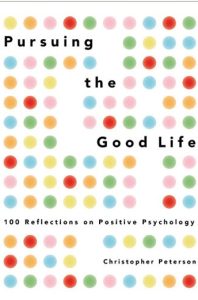
Pursuing the Good Life
Christopher Peterson
Pursuing the Good Life reveals that happiness isn’t about avoiding hardship or chasing pleasure, but about cultivating character, nurturing relationships, and practicing gratitude daily. Peterson’s insights remind us that aging well is more about small daily choices of kindness, humor, and connection that create a meaningful life.