

“A feeling of lack is simply a call to give.” — Gene Plumstead
“It will feel better when it quits hurting.” — Ron Searcy
These two insights, one from Gene Plumstead, father of my friend, mentor, and professional colleague, the other from a man I love and admire, my father-in-law, Ron Searcy, capture the heart of what it means to respond to adversity with goodness. One speaks to the transformative power of generosity in moments of perceived emptiness; the other reminds us that, while pain is real, it is temporary, and healing begins when we redirect our energy.
In all seasons of life, but especially in moments of adversity, we face an uncomfortable truth: we cannot control what others do, but we always retain the power to choose how we respond. This ability to choose, to do good, to act with dignity, to respond with kindness rather than retaliation, forms one of the most enduring paths to resilience. It is a truth supported not only by faith traditions but by philosophy, psychology, and neuroscience. The practice of choosing good in the face of injustice or hurt is neither passive nor naïve. It is courageous, countercultural, and transformative. It is available to all of us.
The Philosophical Foundation: The Freedom of Choice
Philosophically, the idea traces back to the Stoics, who taught that while external events are beyond our control, our responses remain fully within our control. Epictetus emphasized the faculty of choice as the core of human freedom. Virtue ethics deepens this perspective: choosing what is good is part of flourishing; it shapes character, strengthens resolve, and keeps us grounded in what truly matters. Under challenging circumstances, when treated unfairly, misunderstood, or hurt, we retain the freedom to choose virtue. This choice is not denying wrongs but refusing to let them govern our lives.
The Psychological Case: Kindness as Strength
From a psychological perspective, choosing to do good during hardship is not just moral; it is healing. Research consistently shows that altruistic acts boost well-being, reduce depression, and improve life satisfaction; kindness triggers positive emotional cycles, creating an upward spiral that fosters resilience; and freely chosen kindness strengthens autonomy and personal agency. Acts of goodness, especially when chosen in response to negativity, anchor us in purpose, regulate our emotions, and remind us that we are not powerless.
The Scriptural Voice: Turning the Other Cheek
Many spiritual traditions echo this. In Christianity, Jesus’ teaching in Matthew 5:39: “If anyone slaps you on the right cheek, turn to him the other also,” is frequently misunderstood as passivity. But the actual meaning is one of dignity and nonviolent resistance. In Jesus’ cultural context, a slap on the right cheek was an insult meant to demean. Turning the other cheek was a way of saying: You may try to diminish me, but I refuse to participate in my own humiliation. It is a stance of strength, not surrender. Similarly, Psalm 37 urges, “Trust in the Lord and do good.” These texts frame goodness not as weakness, but as a steady alignment with justice, hope, and the character of God.
Breaking the Cycle: Why Doing Good Works
When we choose goodness in response to hurt, several powerful things happen:
- We break cycles of retaliation. Kindness disrupts the reflexive pattern of hurt-for-hurt. It interrupts escalation and restores perspective.
- We retain dignity and agency. We refuse to let another person’s behavior determine who we become.
- We strengthen mental and emotional health. Generosity activates dopamine, oxytocin, and serotonin, the neurochemicals of connection and well-being.
- We create ripple effects. Research on social contagion shows that kindness spreads. One good act often inspires many more, sometimes across entire workplaces or communities.
Responding to unkindness by doing good for someone else is supported by strong scientific evidence. It is also how cultures change.
Understanding Hurt Through Perspective
Pausing to reflect on why someone acted as they did does not excuse their behavior, but it does reduce emotional reactivity, increase empathy and forgiveness, support healthier decisions, and align responses with personal values. Perspective-taking, combined with intentional kindness, transforms emotional pain into purposeful action.
Generosity in the Face of Threat: The SCARF Lens
David Rock’s SCARF model: Status, Certainty, Autonomy, Relatedness, Fairness, helps explain why we sometimes respond negatively to another person’s success or recognition. When these areas feel threatened, emotions intensify. When people respond to our good fortune or recognition from this threatened state, we have choices. The choice to meet such moments with generosity is a profound act of self-leadership and strengthens personal integrity.
Practical Steps for Turning the Other Cheek Today
I often call my wise twin brother, Glenn, to explore ways to turn hurt or disappointment into good. He always has tremendous ideas, big and small. Through this blog, I can’t connect you directly with Glenn, but I can share suggestions he would endorse. Doing good in adversity does not require grand gestures. Small, intentional choices are often the most powerful.
- Pause and Reflect – Take a breath before responding. Ask: What story might be behind their behavior? What matters most for who I want to be? What is the best choice for the long game? Where do I want this relationship to go?
- Don’t Fix Others – It’s not your job, and it doesn’t work. The righting reflex, as William Miller explains in Motivational Interviewing, often yields the opposite. Not every situation requires confrontation or correction. Sometimes the wisest action is to channel your energy toward someone who needs kindness. Usually, the kindest thing you can do for yourself is to practice a kindness toward another.
- Give in the Face of Lack – When feeling diminished, choose a generous act. This transforms the internal narrative from I lack to I can give. This is the wisdom of Gene Plumstead and moves us from scarcity to abundance in one action.
- Let Your Goodness Be Meaningful – Direct it toward a person or cause where it can make a difference. Intention strengthens impact. You can also direct it to a stranger. Surprise them with kindness, empathy, or generosity. Many years ago, the person in front of me at the drive-up window bought my coffee. As I drove away, I noticed tears had formed from the totally unexpected nature of this kindness, and to this day, when I go by that coffee shop, I remember the kindness of this stranger.
- Reflect on the Ripple – Notice how your small acts shift your mood, your environment, and your relationships. And in many cases, you can see directly the ripples extending outward.
Doing Good as a Path to Hope
Hope is not passive optimism. It is active, participatory, and embodied in the choices we make, especially when it’s hard. Choosing to do good reconnects us with our values, strengthens resilience, helps us rise above circumstances we cannot change, and brings light into places dimmed by misunderstanding or hurt. It affirms that even when we cannot fix what is wrong, we can refuse to add to the harm; even more powerfully, we can turn it into good. It’s almost like magic.
Inquiry / Action — Practicing Goodness in the Midst of Hurt
- Where am I feeling lack—and what small act of giving could transform that feeling into purpose?
Reflect on where you might feel diminished, overlooked, or hurt. Consider an act of goodness you could offer someone else, not to ignore your pain, but to redirect it into something meaningful. - What might their story be?
Think of someone whose words or actions have caused frustration or hurt. Without excusing behavior, pause to imagine what pressures, fears, or insecurities might have shaped their response. How does perspective-taking shift your own? What goodness toward another does it trigger? - What is one good thing I can choose today, regardless of circumstance?
Identify a single intentional act that aligns with your values: a kindness, a note of encouragement, a gesture of generosity, or simply choosing not to escalate a hurt. Small actions create powerfully positive ripples.
Closing Reflection
When someone hurts you, misunderstands you, or acts unfairly, you always retain one unassailable freedom: the freedom to choose your response. Choosing good is not a weakness. It is not avoidance. It is not naïve. This is what it is: dignity, a strength, and a transformative power that changes you and eventually the world around you. As you continue the journey, may each act of goodness, small or large, seed flourishing for you and others.
Wisdom often arrives in a few simple words. Nike’s famous credo urges us toward physical action, movement, courage, and momentum. In the same spirit, when it comes to choosing goodness, compassion, or generosity, the invitation is just as clear and just as powerful (and yes, this can be read both ways).
Goodness… just do it.
Resources for Further Reflection
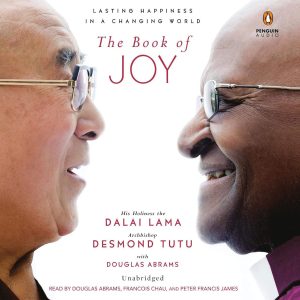
The Book of Joy
Dalai Lama & Desmond Tutu
This warm, wise collaboration between two global spiritual leaders explores how joy is not the absence of suffering but a way of living with compassion, humility, forgiveness, and generosity in the midst of it. Their conversations illuminate many themes in this blog: choosing goodness in response to adversity, grounding oneself in dignity rather than reactivity, and cultivating a spirit of compassion even when hurt. For those in the final third of life, the book offers deep companionship and perspective, reminding readers that joy remains accessible, renewable, and rooted in connection.
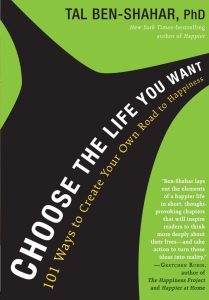
Choose the Life You Want
Tal Ben-Shahar
Tal Ben-Shahar offers 101 short, practical reflections on how our daily choices, even small ones, shape our emotional well-being and moral character. His core idea reflects the main point of this blog: we can’t always control our circumstances, but we can always choose how we respond. Each brief lesson emphasizes that intentional acts of kindness, perspective-taking, and generosity boost resilience and happiness. For those in later life, his message is empowering: each day holds opportunities to create meaning, purpose, and growth
Works Cited
References
Aknin, L. B., Dunn, E. W., & Norton, M. I. (2012). Happiness runs in a circular motion: Evidence for a positive feedback loop between prosocial spending and happiness. Journal of Happiness Studies, 13(2), 347–355.
Curry, O. S., Rowland, L. A., Van Lissa, C. J., Zlotowitz, S., McAlaney, J., & Whitehouse, H. (2018). Happy to help? A systematic review and meta-analysis of the effects of performing acts of kindness on the well-being of the actor. Journal of Experimental Social Psychology, 76, 320–329.
Davis, M. H. (1996). Empathy: A social psychological approach. Westview Press.
Fox, E. (2012). Rainy brain, sunny brain: How to retrain your brain to overcome pessimism and achieve a more positive outlook. Basic Books.
Langer, E. J. (2023). The mindful body: Thinking our way to chronic health. Ballantine Books.
Maier, S. F., & Seligman, M. E. P. (2016). Learned helplessness at fifty: Insights from neuroscience. Psychological Review, 123(4), 349–367.
Musick, M. A., & Wilson, J. (2003). Volunteering and depression: The role of psychological and social resources in different age groups. Social Science & Medicine, 56(2), 259–269.
Pressman, S. D., Kraft, T. L., & Cross, M. P. (2015). It’s good to do good and receive good: The impact of a “pay it forward” style kindness intervention on giver and receiver well-being. The Journal of Positive Psychology, 10(4), 293–302.
Rock, D. (2008). SCARF: A brain-based model for collaborating with and influencing others. NeuroLeadership Journal, 1(1), 44–52.
Seligman, M. E. P. (2018). The hope circuit: A psychologist’s journey from helplessness to optimism. PublicAffairs.
Seligman, M. E. P., & Tierney, J. (2017). Homo prospectus. Oxford University Press.
Wenzel, M., Woodyatt, L., & Hedrick, K. (2012). A social psychology perspective on forgiveness and justice. British Journal of Social Psychology, 51(3), 497–507.