
When asked about three books that influenced me, my response came quickly. Some works leave a lasting impact, not because they provide easy answers, but because they open new ways of understanding ourselves and the world. For me, these three books have laid a foundation for how I now think about aging, possibility, and meaning in what I call the “third period of life.”
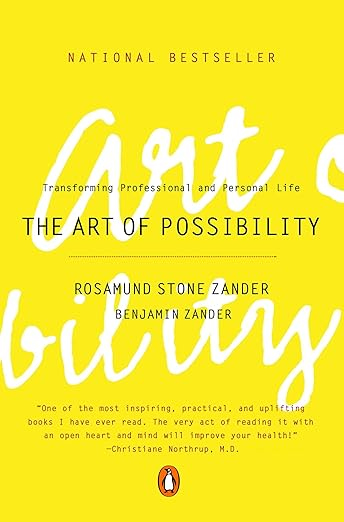
The Art of Possibility by Rosamund Stone Zander & Benjamin Zander
I first met Benjamin Zander at a global employee benefits conference. In just one hour, he increased our love for classical music, touched us deeply as we remembered loved ones, and had the entire room singing a cappella in German, beautifully, as if choral music had been our life’s calling.
The Zanders demonstrated that we are not constrained by the stories we inherit or the limits society imposes on us. We have the ability to choose a different story. One full of possibilities. This is a bold and hopeful act, especially as we age, when cultural narratives often focus on decline. By daring to reframe our questions and envision broader possibilities, we can turn later life into a time of creativity, joy, and contribution.

Authentic Happiness by Martin Seligman
I discovered this book by chance while borrowing a colleague’s office. I was on a merger-and-acquisition call, absentmindedly scanning the bookshelf, when the title caught my eye. I don’t remember anything about that M&A call, but this book changed my life.
Reading it introduced me to the Values in Action strengths framework, which ultimately motivated me to pursue a graduate degree in applied positive psychology, changing the direction of my career and calling. Seligman’s introduction to signature strengths showed me that, at any stage of life, we can align our actions with our core values. Later in life, this becomes even more meaningful: our accumulated wisdom, perspective, and empathy can drive genuine impact, enabling us to live with purpose and make a meaningful contribution to others.
Man’s Search for Meaning by Viktor Frankl
Twenty years ago, early in the Master of Applied Positive Psychology Program at Penn, this book was assigned reading. Frankl’s message has stuck with me ever since. No one can take away our freedom to choose: our perspective, how we respond, and our sense of meaning.
Frankl reminds us that, even when circumstances seem to take away our control, we always have one freedom: the ability to choose how we respond. As we grow older and face new challenges, this truth becomes even more important. Meaning can be found not only in ease but also in how we respond to hardship with dignity, resilience, humor, and hope.
Taken together, these works reveal a deep truth: aging is not a withdrawal from life, but a collection of chances to act on strengths, reshape our stories, and seek meaning with depth and freedom. In a world where the primary narrative of aging is one of loss, these perspectives offer a different view. One of thriving, creativity, and agency in the last chapter of life.

Inquiry / Action
Consider:
- Which books, teachings, or ideas have left a lasting impact on you?
- When has having the freedom to choose your response truly made a difference in your life?
- How might those lessons shape how you face the years ahead — with strength, possibility, hope, and meaning?