Resources
________________
With most blogs I write, I share books and resources that invite deeper reflection on the themes explored. While each recommendation connects to a specific topic, these works also stand on their own as guides for thoughtful exploration—offering wisdom and insight for anyone seeking greater clarity, meaning, and growth at any stage of life’s journey.
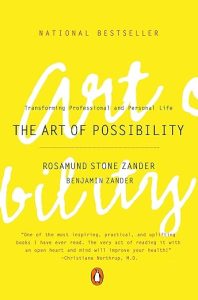
The Art of Possibility
Benjamin Zander and Rosamund Stone Zander
The Art of Possibility reminds us that life unfolds in a universe of possibility, not scarcity. By reframing the stories we tell ourselves, we create space for creativity, contribution, and joy, a lesson that is especially helpful in later life, when adopting an abundance mindset can transform the third period of life into a time of renewal, connection, and growth.

From Strength to Strength
Arthur C. Brooks
From Strength to Strength shows that fulfillment in later life doesn’t come from holding on to past achievements, but from embracing change, gaining wisdom, and strengthening relationships. Brooks provides a guide for redefining success by shifting from striving for more to discovering meaning, joy, purpose, and leaving a legacy in the years ahead.
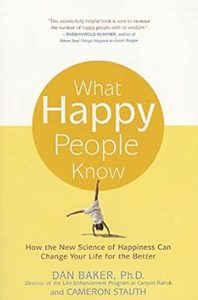
What Happy People Know
Dan Baker
What Happy People Know reminds us that happiness is not a matter of luck or the absence of hardship, but rather the result of conscious choices rooted in gratitude, optimism, and personal strength. Baker’s insights matter at every age, especially in later life, where choosing appreciation and love over fear can foster resilience, connection, and a more profound sense of joy.
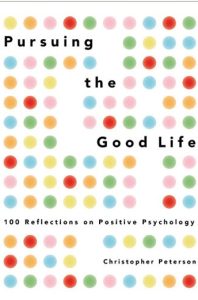
Pursuing the Good Life
Christopher Peterson
Pursuing the Good Life reveals that happiness isn’t about avoiding hardship or chasing pleasure, but about cultivating character, nurturing relationships, and practicing gratitude daily. Peterson’s insights remind us that aging well is more about small daily choices of kindness, humor, and connection that create a meaningful life.
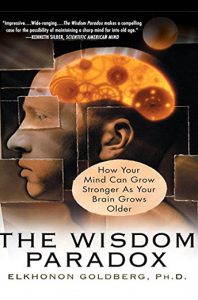
The Wisdom Paradox
Elkhonon Goldberg
The Wisdom Paradox reveals that while some abilities naturally decline with age, our brains also develop new strengths in judgment, intuition, and meaning-making: key components of wisdom. Goldberg’s research reinterprets aging as a time when accumulated experience gives a special advantage, reminding us that lifelong learning and engagement can turn later years into a period of mental growth and enrichment.

Aging Well
George Valliant
Aging Well demonstrates that thriving in later life relies less on avoiding hardship and more on nurturing relationships, developing healthy coping strategies, and maintaining joy and creativity. Vaillant’s landmark research confirms that love, empathy, and connection are the strongest predictors of happiness and health, making emotional bonds the true foundation of resilience in later years. The two most powerful predictors of aging well are strong social connections and a sense of purpose through generativity.

Authentic Happiness
Martin Seligman
Authentic Happiness redefines happiness as more than fleeting pleasure; it is a lasting state of well-being created by developing strengths, cultivating optimism, pursuing purpose, and fostering meaningful relationships. Seligman’s pioneering work in positive psychology provides practical tools that deepen over time, helping us boost resilience, fulfillment, and joy throughout the third stage of life.

Man’s Search for Meaning
Victor Frankl
Man’s Search for Meaning, rooted in Viktor Frankl’s experiences in Nazi concentration camps, demonstrates that even in the harshest conditions, we retain one fundamental freedom: to choose our response. His insights show that meaning, found through love, work, and how we endure suffering, can sustain us through every stage of life, providing dignity, purpose, and hope throughout the third period of life.

Wisdom @ Work
Chip Conley
Wisdom @ Work reframes aging in the workplace from obsolescence to opportunity, showing how older adults can thrive as “Modern Elders” by pairing experience and judgment with curiosity and adaptability. Conley’s message is clear: by embracing lifelong growth and intergenerational collaboration, later life becomes a season of renewed relevance, contribution, and meaning.

The Innovators
Walter Isaacson
The Innovators tells the story of how breakthroughs in technology were never the product of one person alone, but the accumulated, collaborative work of generations. Isaacson’s lesson for the third period of life is clear: wisdom, experience, and mentorship matter because innovation itself is always built on what came before. Later life offers us the chance to ensure that what we’ve learned continues to empower those who follow.

Life’s Great Question
Tom Rath
Life’s Great Question helps us shift from focusing on “What do I want from life?” to “What can I give?” Rath provides a practical framework and assessment for identifying the ways we contribute, reminding us that meaning in life is found in impact on others. His work is especially relevant to the third period of life, when contribution, legacy, and generativity become the truest measures of flourishing.
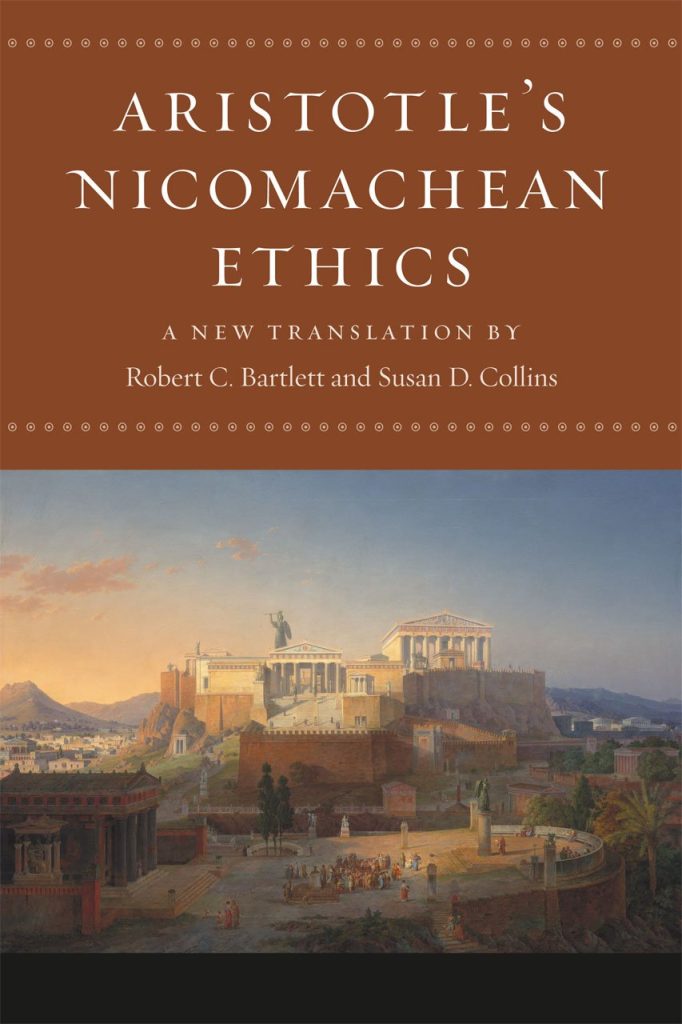
The Nicomachean Ethics
Aristotle
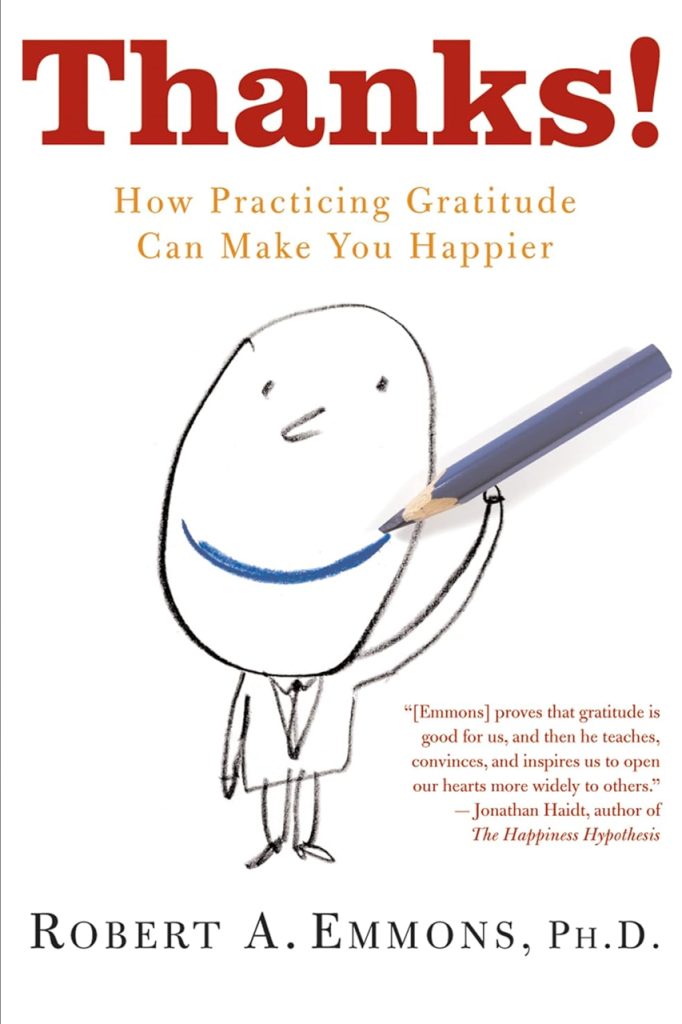
Thanks
Robert Emmons
Robert Emmons, one of the world’s leading researchers on gratitude, demonstrates how a simple daily practice can enhance our health, relationships, and sense of well-being. For older adults, gratitude offers both perspective and support, helping us recognize what endures, enjoy the present, and discover new strength and joy in the years ahead.
Being Mortal: Medicine and What Matters in the End
Atul Gawande
Atul Gawande combines medical knowledge with human storytelling to examine how we confront aging and mortality. His work encourages us to focus on autonomy, dignity, and purpose rather than just survival. For those in later life stages, it offers both clarity and compassion, reminding us that how we live is just as important as how long we live

Another Country: Navigating the Emotional Terrain of Our Elders
Mary Phipher
Mary Pipher describes aging as “another country,” a landscape we enter when walking with our elders. She offers guidance on listening, honoring, and accompanying loved ones with empathy rather than control. For the third period of life, her wisdom helps us both support others with grace and imagine how we hope to be seen, valued, and cared for in our own later years.

The Compassionate Instinct: The Science of Human Goodness
Dacher Keltner
Keltner’s research reveals that compassion and connection are not luxuries but biological imperatives. He shows that the human brain and body are wired for empathy and altruism, and that acting with compassion actually strengthens health and happiness. For those in the third period of life, his findings affirm that kindness and connection are not only sustaining but generative. Compassion deepens with age, offering older adults renewed purpose through mentoring, caregiving, and community involvement. The book reframes compassion as a lifelong strength, an instinct that nurtures well-being, legacy, and joy.

The Choice: Embrace the Possible
Edith Eger
In this memoir, psychologist and Holocaust survivor Edith Eger shares her story of suffering, survival, and healing. Her message is simple yet profound: while we cannot change the past, we can always choose how to live now. Through forgiveness and acceptance, she shows that joy is possible even after deep trauma. For readers in the third period of life, The Choice offers a moving reminder that freedom is an inner act. Eger’s work invites reflection, reconciliation, and release of regret. Her insights empower older adults to embrace life’s final chapters with courage, compassion, and hope.
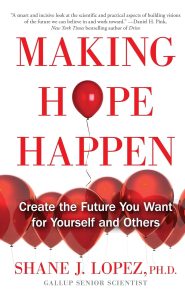
Making Hope Happen
Shane J. Lopez
In Making Hope Happen, Shane J. Lopez reveals that hope is not wishful thinking but a learnable, actionable process built on clear goals, adaptable pathways, and the belief that our efforts matter. His research and stories show how hope fuels resilience, purpose, and connection —especially vital in the third period of life, when adapting to change and envisioning new possibilities sustains wellbeing. Lopez reminds us that hope is both personal and shared: a renewable resource we can cultivate within ourselves and spark in others.

8 Ways to Hope: Charting a Path Through Uncertain Times
William R. Miller
In 8 Ways to Hope: Charting a Path Through Uncertain Times, psychologist William R. Miller explores the many forms hope can take: desire, trust, perseverance, meaning, and community, among them. Drawing from science, history, and story, he reveals that hope is not one emotion but a family of strengths that help us endure uncertainty, find purpose, and act with courage. For those in the third period of life, Miller’s framework offers both comfort and challenge: to adapt with grace, to persevere when paths narrow, and to remember that hope, at its core, is a choice, one that can still be shared, renewed, and lived every day.
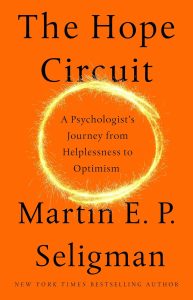
The Hope Circuit
Martin E.P. Seligman
Seligman traces the transformation of psychology from a focus on illness to a science of human flourishing. He introduces the hope circuit, a neural system in the medial prefrontal cortex that enables agency, optimism, and resilience, and shows how activating it can reverse patterns of helplessness. His later theory of prospection explains how imagining positive futures is central to human well-being and adaptive aging.
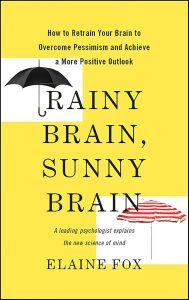
Rainy Brain, Sunny Brain
Elaine Fox
Fox explores how our brains balance threat and reward systems and how these can be consciously retrained. Her research indicates that optimism and resilience are not fixed traits, but instead learned habits that can reshape emotional circuitry. A valuable guide for those managing health challenges or supporting loved ones to find balance and possibility through change.
Coming January 2026!
Along the Road:
The Art of Thriving in the Third Period of Life
Is it possible to flourish in the final third of life?
Too often, aging is framed only as decline—marked by limitations, losses, and endings. This book challenges that narrative.
Blending research in positive psychology, neuroscience, and well-being with practical tools and lived experience, Along the Road reframes the final third of life as a season of growth, meaning, and contribution. It offers frameworks for navigating life’s later chapters, exploring how mind, body, and soul can remain sources of vitality. It provides practical approaches to cultivating generativity, resilience, optimism, and wisdom—while crafting a lasting legacy and achieving a fulfilling end.
The book is both roadmap and companion: a guide for anyone entering—or already in—their mid to later years who longs not just to endure but to flourish.
“Live fully. Contribute wisely. Leave a legacy.”
Gordon Parry is an author, consultant, and coach dedicated to helping people flourish at every stage of life. A graduate of Penn’s Master of Applied Positive Psychology program and co-founder of Authentic Impact and The Hesly Center, he blends research and practice to unlock human potential. MORE ABOUT GORDON
Contact
GORDON PARRY
12306 Emmet Street
Omaha, NE 68164
Connect
Recent Posts
Everybody Loves Betty: Courageous Acceptance, Holland, and a Life Lived Beloved
Everybody Loves Betty: Courageous Acceptance, Holland, and a Life Lived Beloved Last week, I reread the latest CaringBridge update from my friend Betty’s sister, Mary Jo. She closed with a simple line that has become a familiar refrain: Everybody loves Betty. Every...
The Transformative Power of Turning the Other Cheek
“A feeling of lack is simply a call to give.” — Gene Plumstead “It will feel better when it quits hurting.” — Ron Searcy These two insights, one from Gene Plumstead, father of my friend, mentor, and professional colleague, the other from a man I love and admire, my...
Reclaiming Hope in the Midst of Chronic Illness
Recently, I’ve talked with friends and family dealing with chronic health issues, each of them strong, capable, and once very healthy. For all of them, the onset occurred later in life, an unexpected part of their sixties and beyond. Their stories are different, but...
Flourishing With Eyes Wide Open: The Real Story of Positive Psychology
Positive psychology is often misunderstood as a “feel-good” project centered on happiness and optimism. While this misconception is easy to repeat, it is far from reality. The field is deeply rooted in ancient philosophical traditions, grounded in rigorous science,...
The Return to Possibility
There was a time, not so long ago, when I found myself standing at the edge of cynicism. I was not only standing but also moving toward it. After decades of leading, teaching, and believing in human potential, I had lost touch with the very qualities that once...
Joy in the Third Period
Last week I wrote about walking with our elders, about listening instead of leading. That same posture of humility, patience, and attention is also the soil in which joy grows. As C. S. Lewis wrote, “Joy is the serious business of heaven.” It is not a feeling that...
©Gordon H. Parry : All Rights Reserved 2025-26