
Aging is inevitable, undeniable, and deeply part of the human experience. However, despite its universality, it is often described inaccurately and incompletely. Common narratives reduce aging to decline, limiting possibilities, shutting doors, and a time when our contributions decrease.
My journey into the third stage of life has changed my perspective. After decades of working with leaders, teams, and organizations, I have seen firsthand how research and science, when applied practically, can transform lives. Positive psychology, neuroscience, and organizational and leadership development have demonstrated how people thrive when they discover new strengths, reframe challenges, and embrace purpose.
By the time I turned 60, aging was no longer something happening to “other people.” It was happening to me. The sense of time’s passing was no longer abstract. I started asking questions I could no longer ignore:
What will the final third of my life look like? How can I make a meaningful contribution at this stage? What legacy will I leave behind? How is it possible to thrive during the final third of life?
That’s why I chose to write my first book about aging. Not because it was the “obvious” next step, but because it felt urgent. I don’t want to leave important things unsaid or undone. Writing has become my way of exploring the questions that matter most and inviting others to explore them with me.
Aging is not just about decline and loss; it also involves deepening and gaining. By the time we reach this stage, we are often best equipped to face challenges, contribute meaningfully, and thrive. Research clearly shows that in the later years of life, we possess deep reservoirs of wisdom, resilience, and perspective. Purpose and connection are strong drivers of health and happiness. We are not “finished” here; in fact, it’s just as likely that we are only now hitting our stride.
This website will be a space for exploring these ideas together:
Over the coming months, I’ll share reflections, research, and practices that encourage us to think differently about aging. I hope you’ll join me, because how we experience and shape this final third of life matters not only for ourselves but also for our communities and the legacies we leave.
Inquiry / Action
Take a moment to reflect:
- How do you currently think about aging in your own life?
- What “default narrative” about aging have you adopted? How might you change that story for yourself?
- If anything were possible, what do you most hope will happen in the final third of your life?
Resources that that invite deeper reflection on the themes explored in this post:
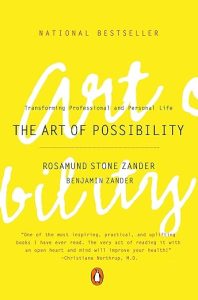
The Art of Possibility
Benjamin Zander and Rosamund Stone Zander
The Art of Possibility reminds us that life unfolds in a universe of possibility, not scarcity. By reframing the stories we tell ourselves, we create space for creativity, contribution, and joy, a lesson that is especially helpful in later life, when adopting an abundance mindset can transform the third period of life into a time of renewal, connection, and growth.

From Strength to Strength
Arthur C. Brooks
From Strength to Strength shows that fulfillment in later life doesn’t come from holding on to past achievements, but from embracing change, gaining wisdom, and strengthening relationships. Brooks provides a guide for redefining success by shifting from striving for more to discovering meaning, joy, purpose, and leaving a legacy in the years ahead.